Imagine visiting a place where 100-year-olds still walk steep hills every day, gather family and friends around the table for hours-long meals, and remain deeply connected to their communities. These places exist, and researchers call them “Blue Zones” because they are home to some of the highest concentrations of healthy, long-lived people in the world. The term originated when researchers studying longevity in Sardinia marked areas with unusually high numbers of centenarians using blue circles on a map.
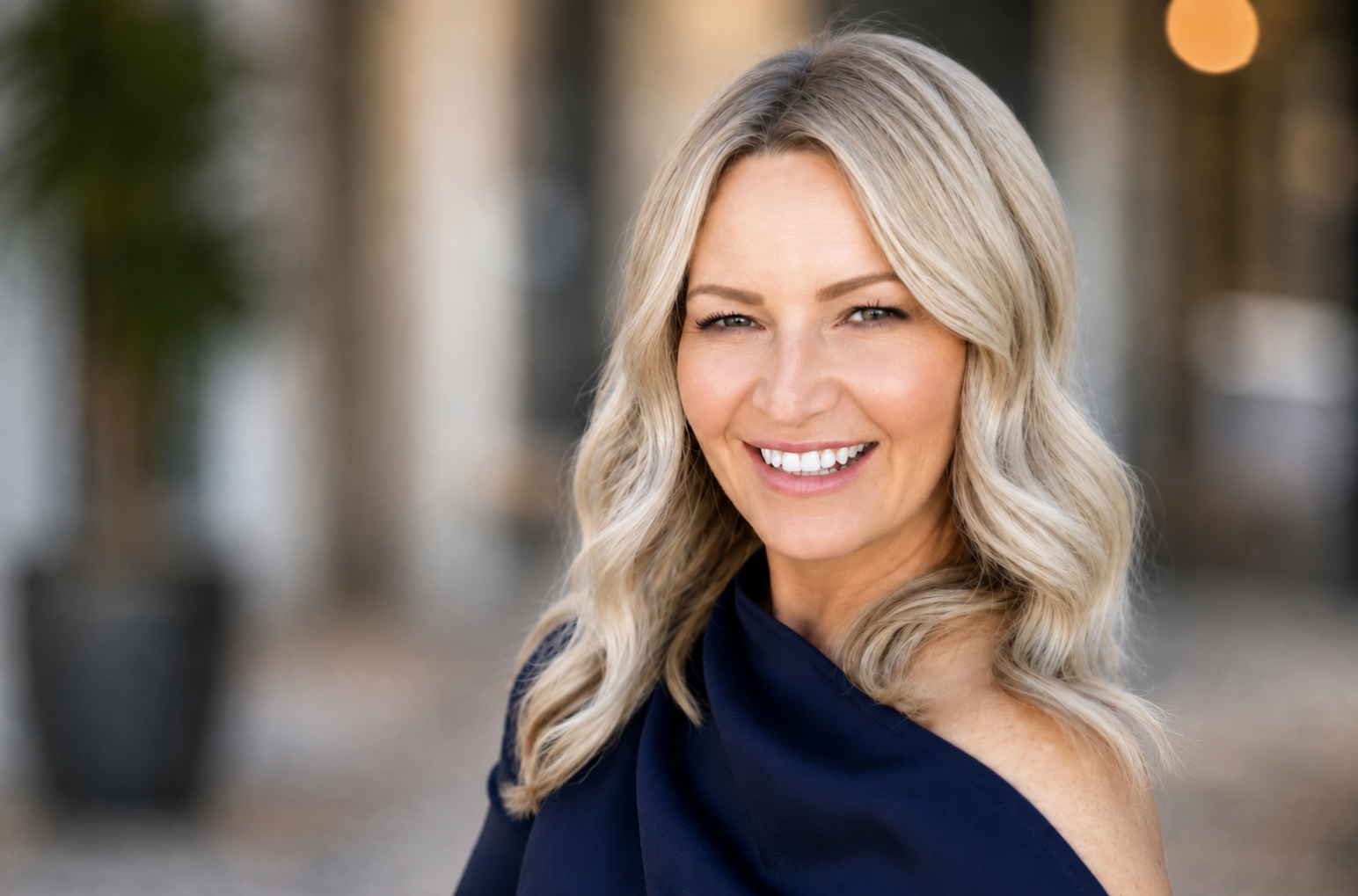
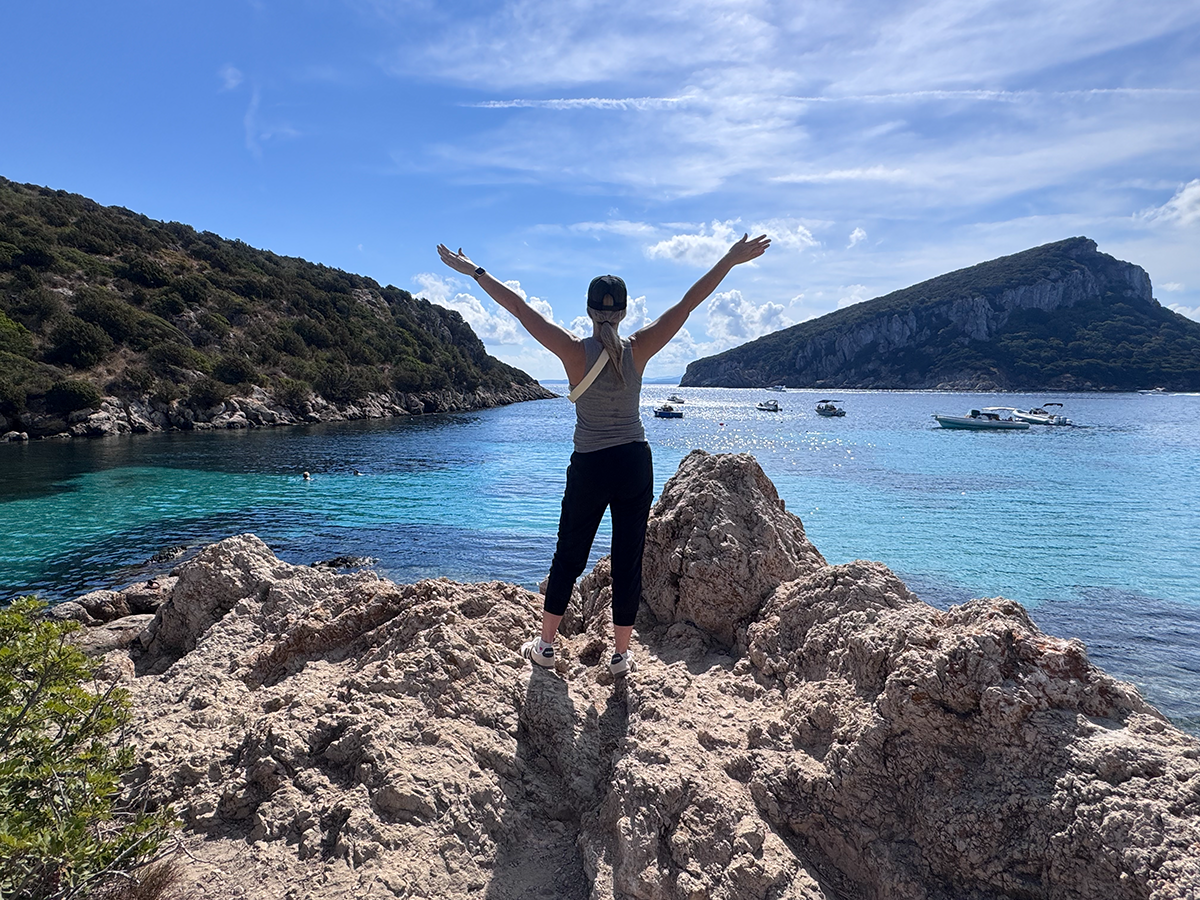
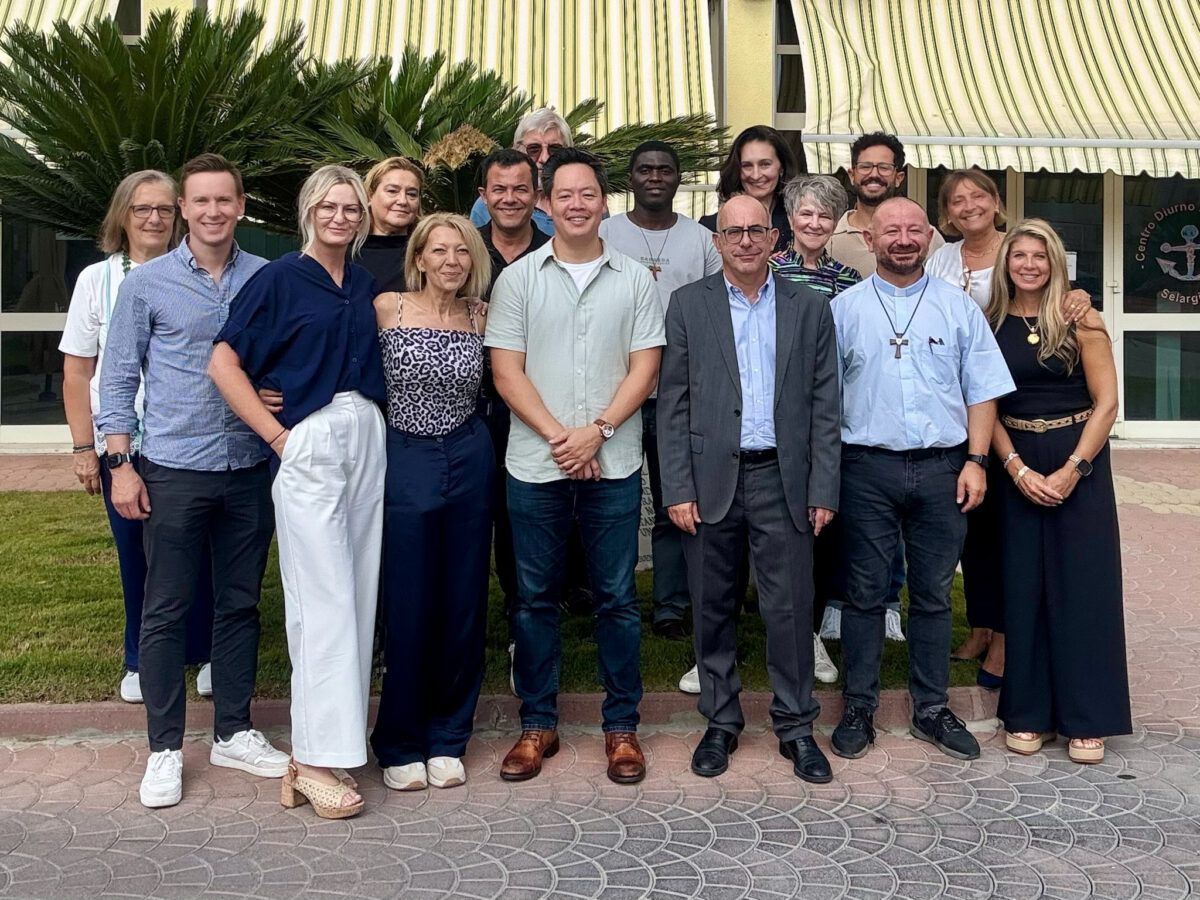
Recently, Harmony’s Vice President of Memory Care and Resident Engagement, Amber Dahle had the opportunity to experience one of these remarkable regions firsthand. As part of a Think Tank study abroad experience, Amber traveled with a small group to Sardinia, Italy, one of the world’s original Blue Zones, where she explored not only why people live longer, but also how purpose, connection, movement, and community shape the way they age.
What she found wasn’t a secret formula for longevity. It was a way of life.
What is a Blue Zone?
The original Blue Zones are five regions where researchers identified extraordinary concentrations of healthy older adults and centenarians:
- Sardinia, Italy
- Okinawa, Japan
- Ikaria, Greece
- Nicoya Peninsula, Costa Rica
- Loma Linda, California
Though separated by geography and culture, these regions share many common characteristics: daily movement, strong social relationships, fresh food, a sense of purpose, faith or spirituality, and deep community ties. Researchers found that people in these areas often reach age 100 at significantly higher rates than many other parts of the world.
For Amber however, standing in a Blue Zone felt different than reading about one.
“You don’t feel like you’re in some magical place,” she reflected. “But you do feel a reverence for the people through their movement, the way they eat, and how they connect with each other.”
The Hills of Sardinia: Where Movement is Part of Everyday Life
One of the first things Amber noticed was that movement wasn’t treated as exercise.
There were no fitness challenges or carefully planned workout regimens. Instead, daily life naturally required physical activity.
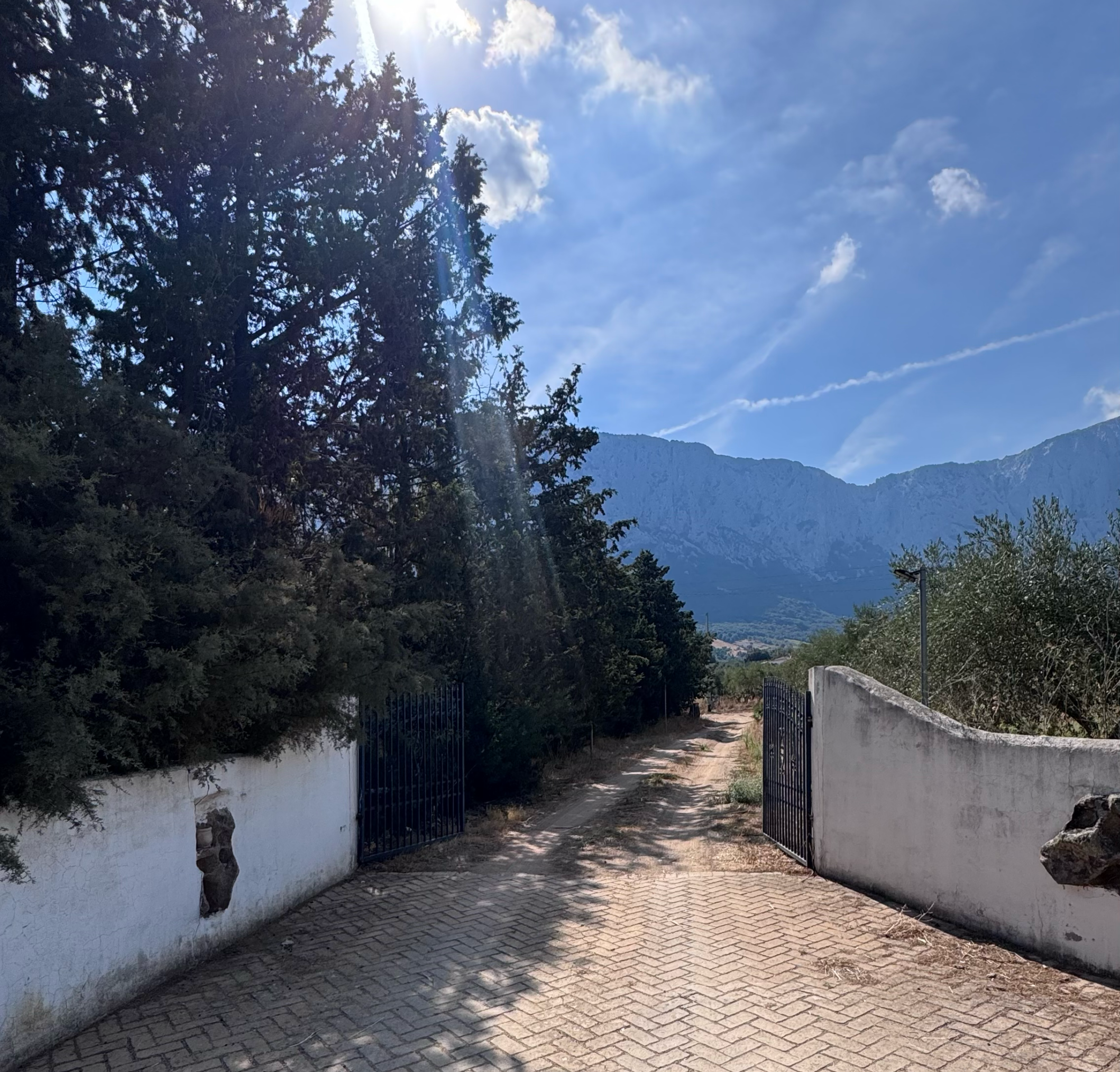
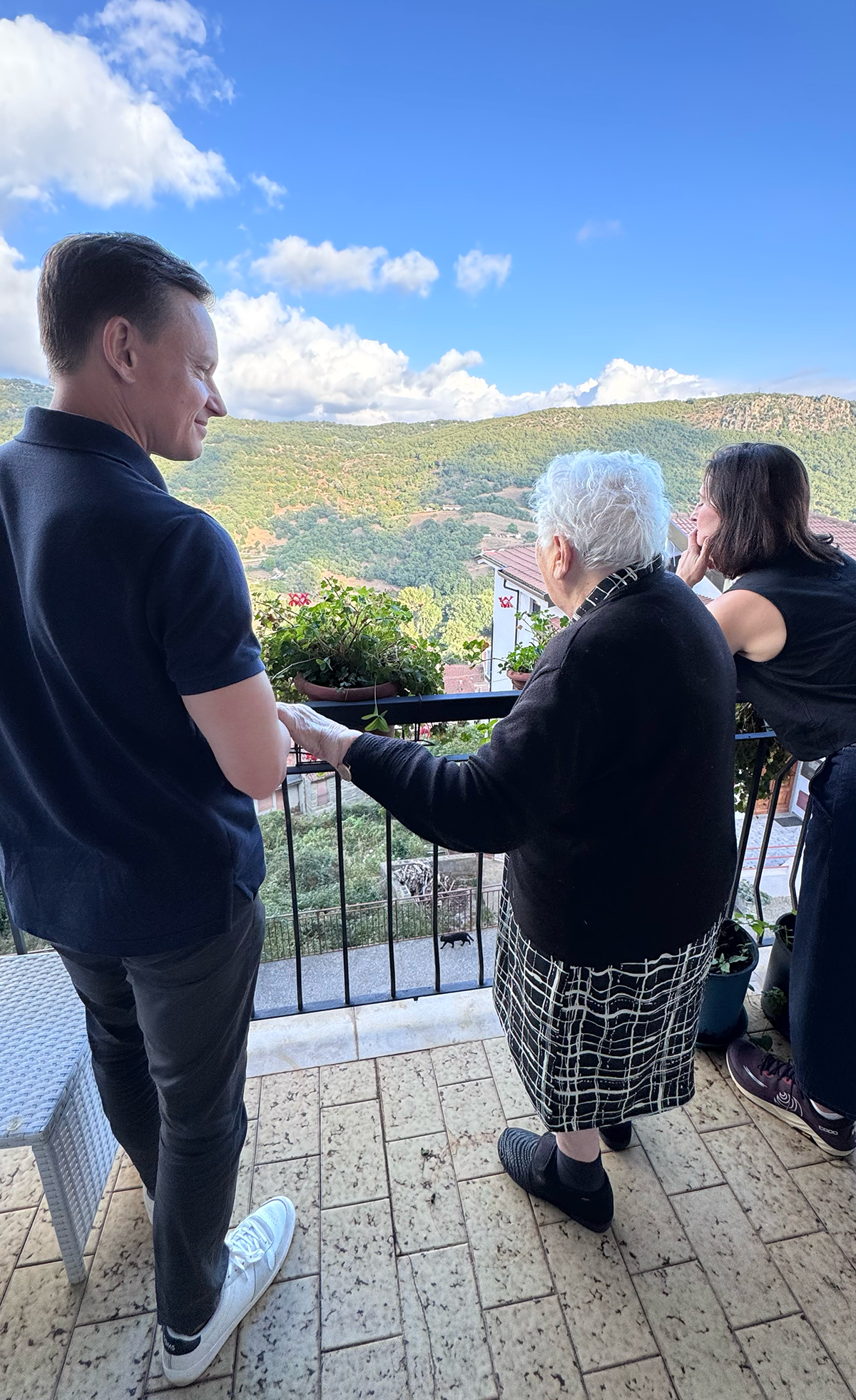
The villages sit atop steep hillsides. Residents walk those roads every day to visit friends, attend church, shop for food, and gather with neighbors. Even many of the centenarians continue navigating the challenging terrain well into advanced age.
“We saw people in their nineties and hundreds walking hills that left us completely winded,” Amber said. “On the way to a festival, an elderly woman was walking uphill in kitten heels while many of us were stopping to catch our breath.”
What researchers often describe as one of the foundations of Blue Zone living became strikingly clear: movement is built into the environment rather than added onto the day.
Longevity Isn’t Just About Living Longer
Amber traveled to Sardinia with an important question: were Blue Zone residents really experiencing better cognitive health?
Historically, these communities showed lower rates of dementia and Alzheimer’s disease. While research has indicated that genetics can play a part, was there more?
“What was fascinating was seeing the difference between the traditional villages and the more modern areas,” Amber said. “The communities located near cities with quick conveniences such as processed and fast-food have been experiencing increased dementia rates.” She added, “The more those communities move away from traditional lifestyles, the more some of those protective Blue Zone factors seem to disappear.”
The observation reinforced an important reality: longevity and wellness are deeply connected to lifestyle, environment, and community.
Meals Meant for More Than Eating
Perhaps nowhere was that more apparent than around the dinner table.
In the United States, meals are often rushed between appointments, work commitments, or errands. In Sardinia, meals are experiences. Courses arrive slowly, conversations stretch for hours, families linger around the table, and nobody is in a hurry to leave.
“Meals were often three hours long,” Amber said. “It was almost uncomfortable at first because in the United States, we’re conditioned to eat quickly and move on to the next thing.”
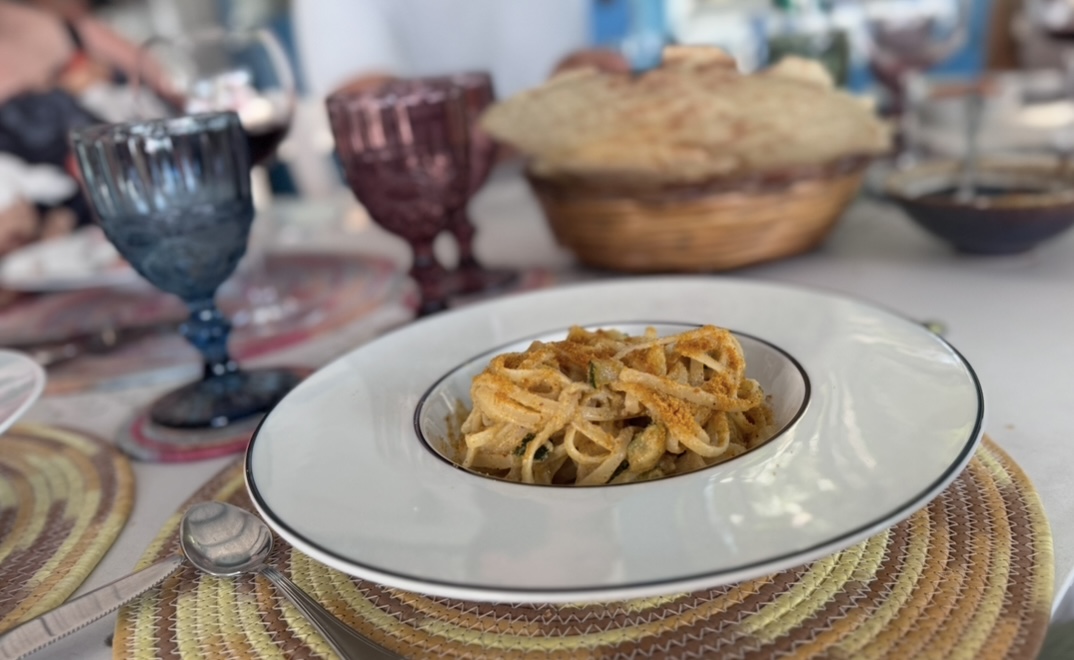
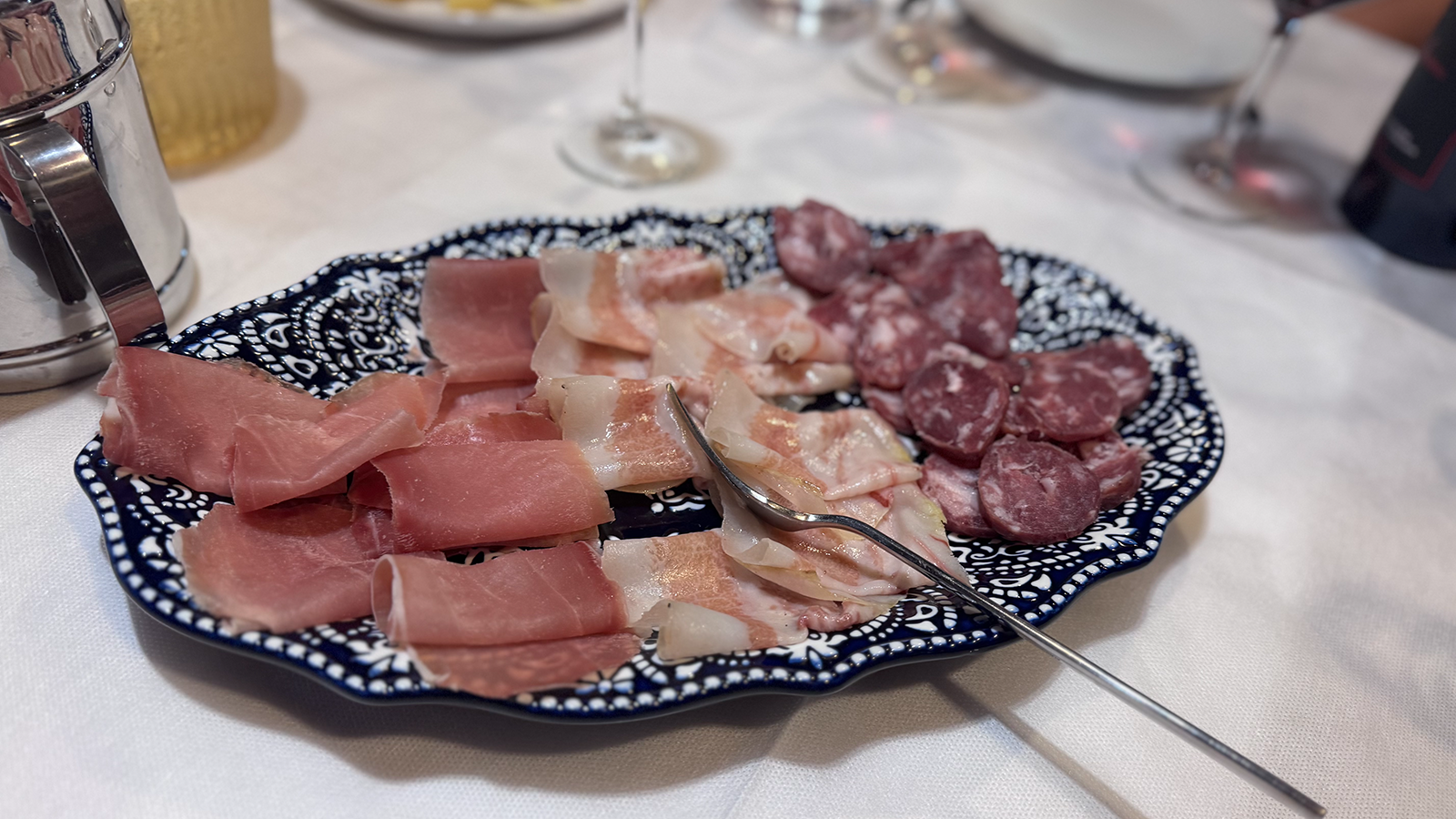
The food itself was fresh and locally produced. Families made their own pasta, cheeses, wines, and breads. Nutrient-dense staples like olives, olive oil, vegetables, and legumes were always on hand. Ingredients were minimally processed, and preservatives were largely absent.
Even in restaurants, there was little pressure to finish and move on. Guests were encouraged to stay, continue their conversations, and enjoy the company around them, reflecting a culture that places as much value on connection as it does on the food itself.
In Blue Zones around the world, research consistently points to social connection as one of the strongest predictors of health and longevity. Sardinia brought that finding to life in a powerful way.
The Common Answer from Centenarians
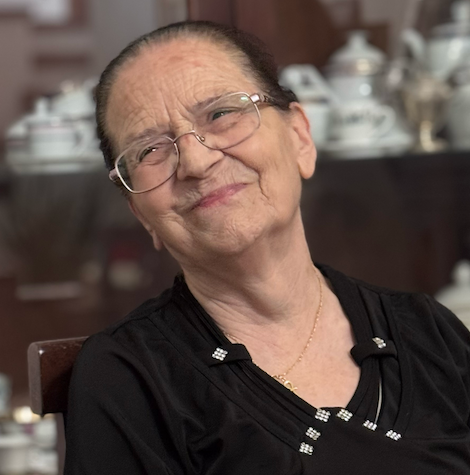
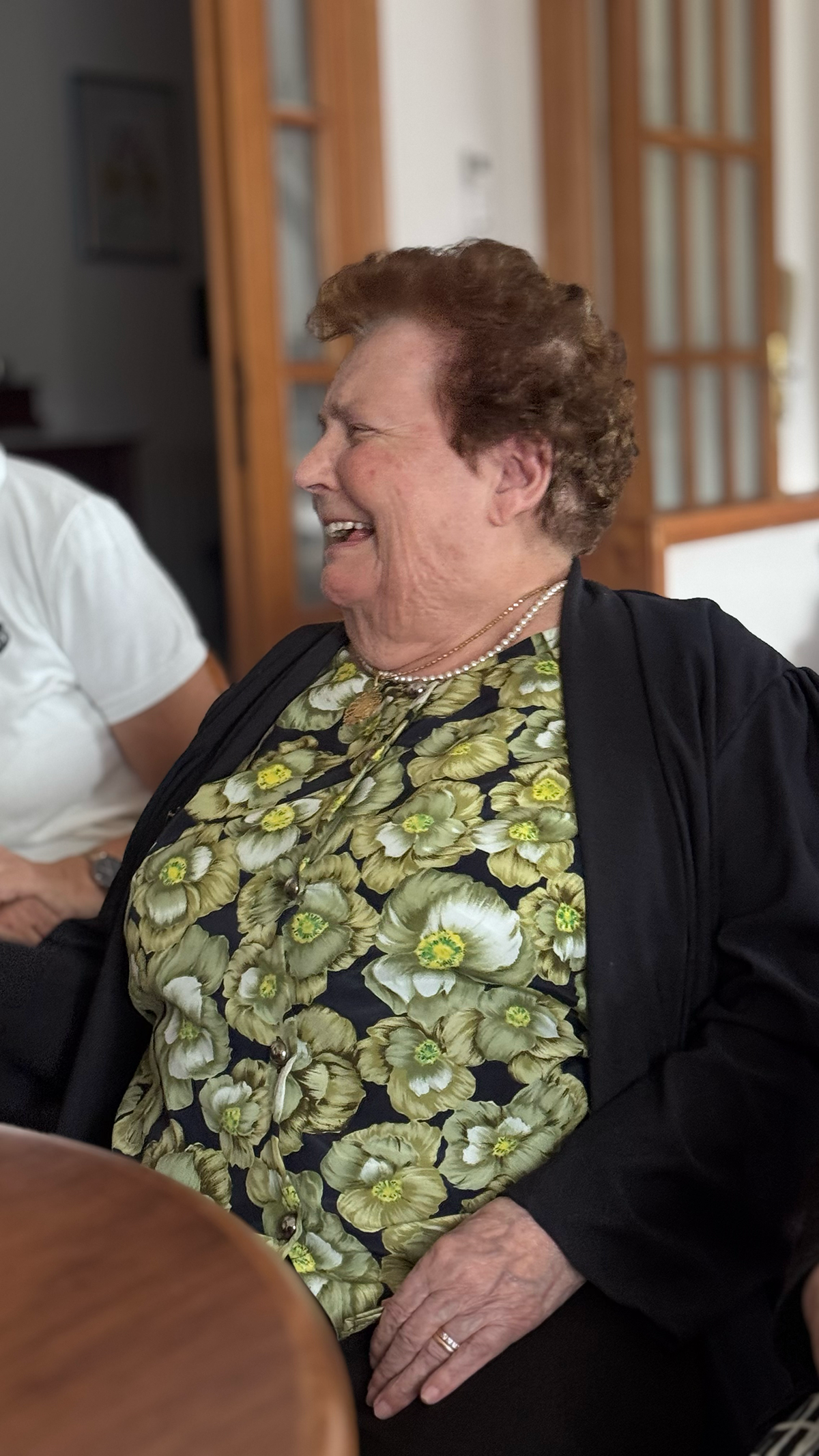
Throughout the journey, the group met centenarians and residents who had lived exceptionally long lives. When asked what mattered most, they rarely mentioned vitamins, diets, or exercise plans.
Instead, they talked about people: family dinners, friendships, neighbors, and community traditions.
One centenarian explained that Sunday gatherings began with morning phone calls to family and friends, inviting as many people as possible to share a meal together.
Again and again, conversations returned to the same theme: connection.
“It always went back to relationships,” Amber said. “They wanted people in their homes. They wanted people around their tables.”
Social Connection Woven into Everyday Life
In some of Sardinia’s remote villages, women and children gathered at church while men regularly gathered in public spaces to socialize, exchange stories, and spend time together.
What stood out was the depth of those connections. Amber observed groups of men sitting around long tables, talking, laughing, and sharing meals for hours. During one gathering, a group began singing a traditional song, and soon neighboring tables joined in until an entire group of strangers was singing together. The camaraderie was unmistakable.
“We talk a lot about the importance of social connection for health and longevity,” Amber said. “In Sardinia, you could actually see it in action.”
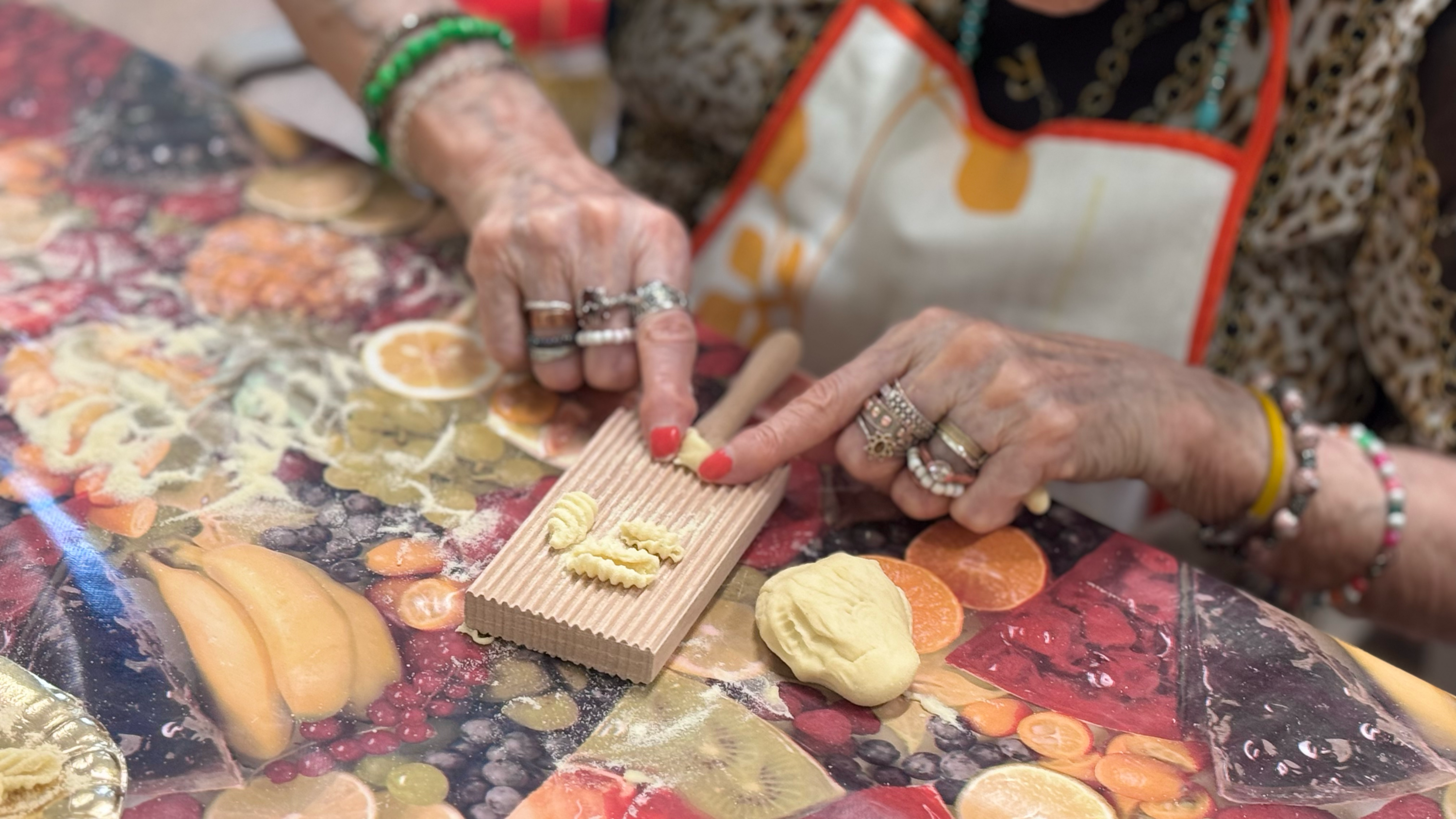
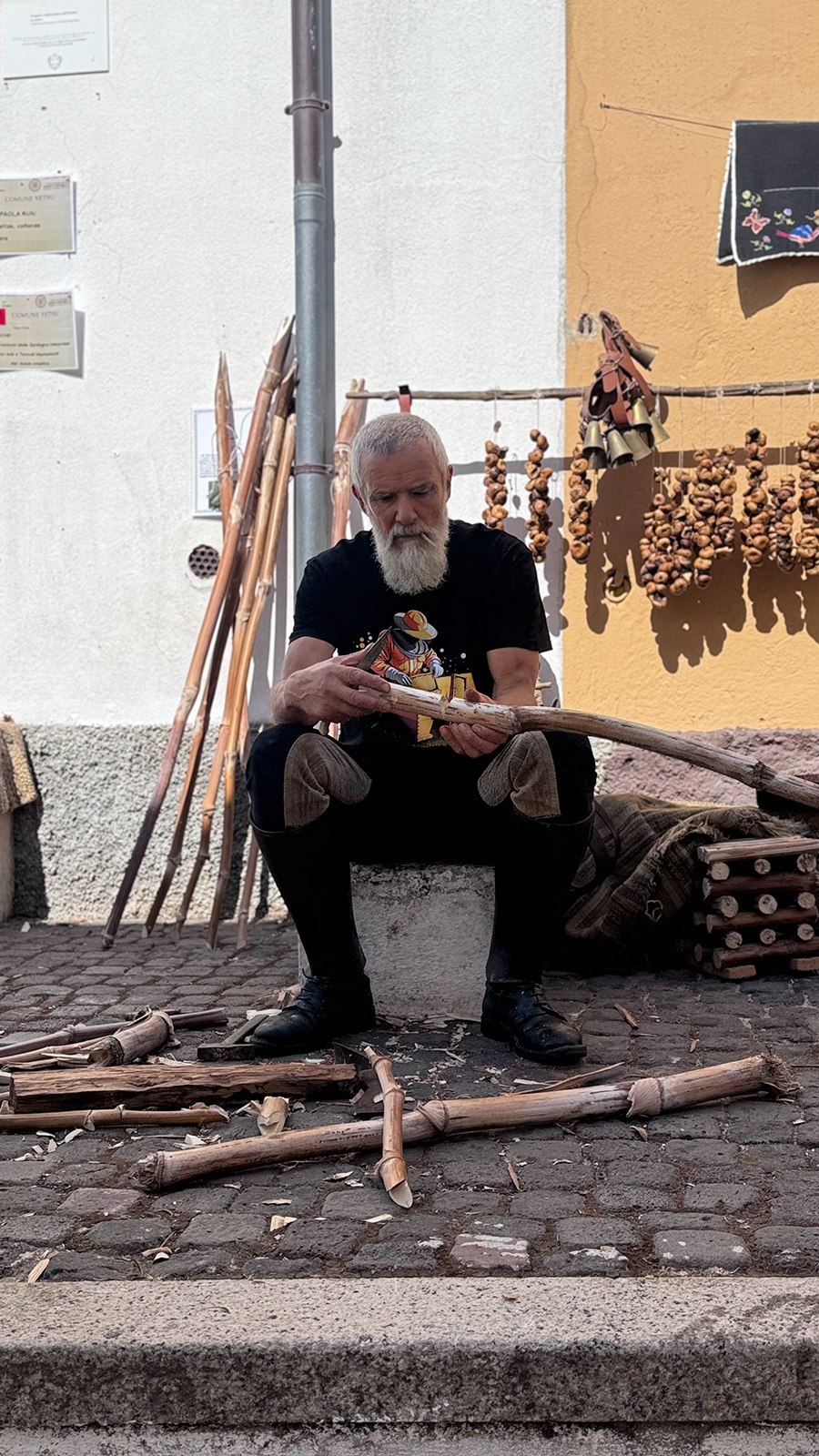
Connecting with Longevity Researchers in Sardinia
The trip to Sardinia was especially meaningful for Amber, whose work explores protective reserve, a concept that builds on many of the qualities observed in Blue Zone communities, including natural movement, purpose, resilience, strong social connections, and a deep sense of belonging. She has incorporated many of these ideas into developing life engagement programs in senior living communities over the course of her career.
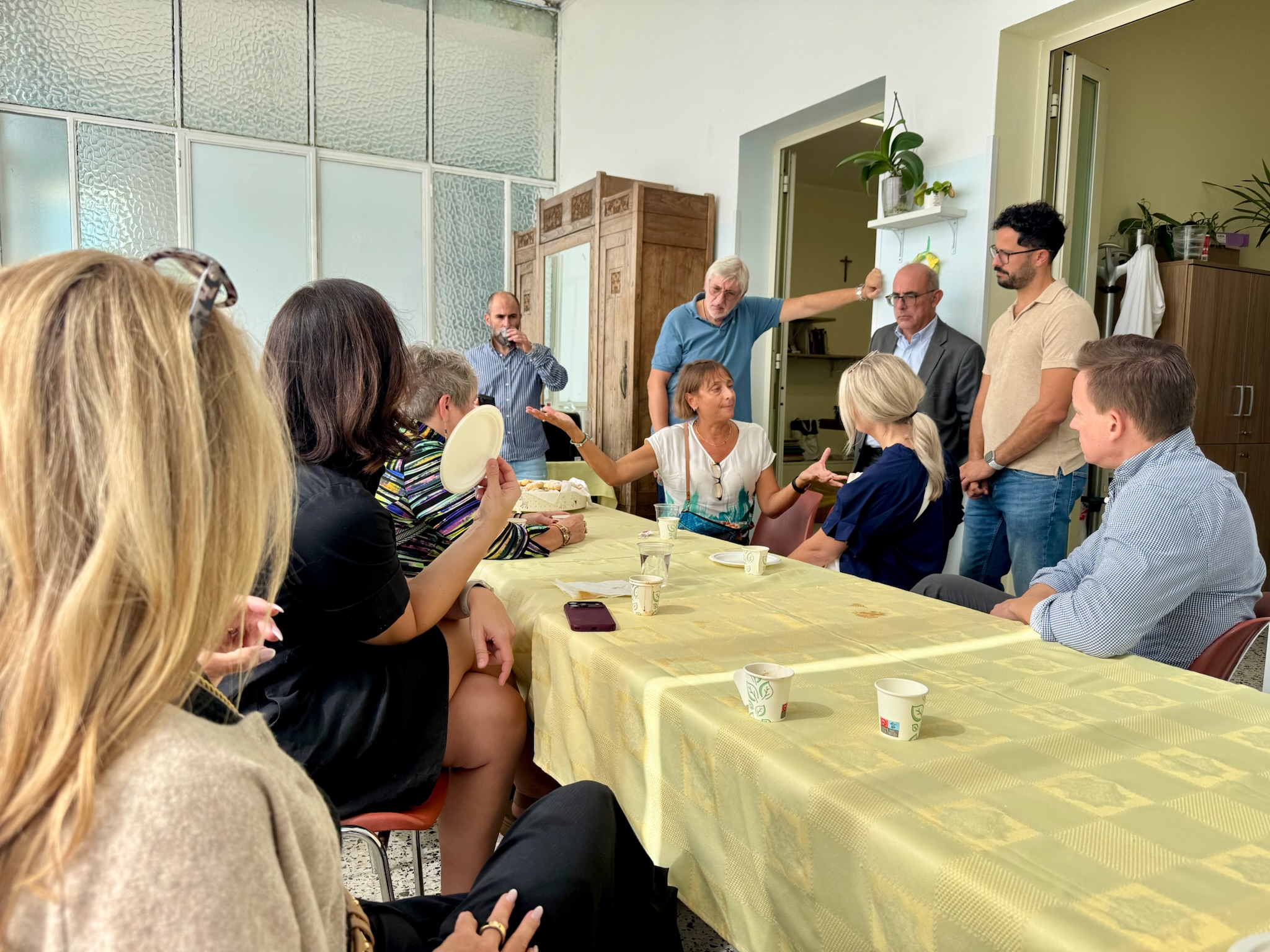
Amber and her Think Tank companions had the pleasure of meeting Dr. Maria Chiara Fastame, a psychology professor and longevity researcher at the University of Cagliaro. Her work examining cognitive resilience and psychological well-being among Sardinian older adults offered valuable context for Amber’s exploration of protective reserve.
A Different Way of Thinking About Dementia Care
One of the most meaningful parts of Amber’s journey involved visiting the Opera Don Orione Dementia Day Center and residential program in Sardinia.
There, she found a philosophy that strongly aligned with Harmony’s vision for person-centered care, while also challenging many common assumptions about aging and dementia.
Rather than defining people by a diagnosis, the center focused on helping individuals maintain identity, purpose, and contribution. Their approach to quality of life was built around three dimensions:
Being – physical, psychological, and spiritual well-being
Belonging – social relationships, community inclusion, and connection
Becoming – purpose, growth, autonomy, and personal fulfillment
Residents helped shape their own care plans based on what mattered most to them. The focus extended beyond safety and clinical outcomes to preserving dignity, relationships, purpose, and joy.
For Amber, it was a powerful reminder that dementia does not eliminate a person’s need to contribute.
“Dementia can rob people of so many things,” she said. “But purpose shouldn’t be one of them.”
Purpose Doesn’t Retire
Too often, aging and dementia are associated with limitation, decline, or passivity. Activities become entertainment rather than opportunities for meaningful contribution.
In Sardinia, Amber witnessed a very different approach.
Residents with dementia weren’t simply being occupied. They were cooking meals, preparing ingredients, rolling pasta, baking bread, gardening, singing, making music, creating artwork, and supporting daily life within the community. Their contributions were visible, useful, and valued.
“The goal wasn’t just to keep people busy,” Amber explained. “Their contribution was meaningful and dignified.”
One story in particular moved her to tears.
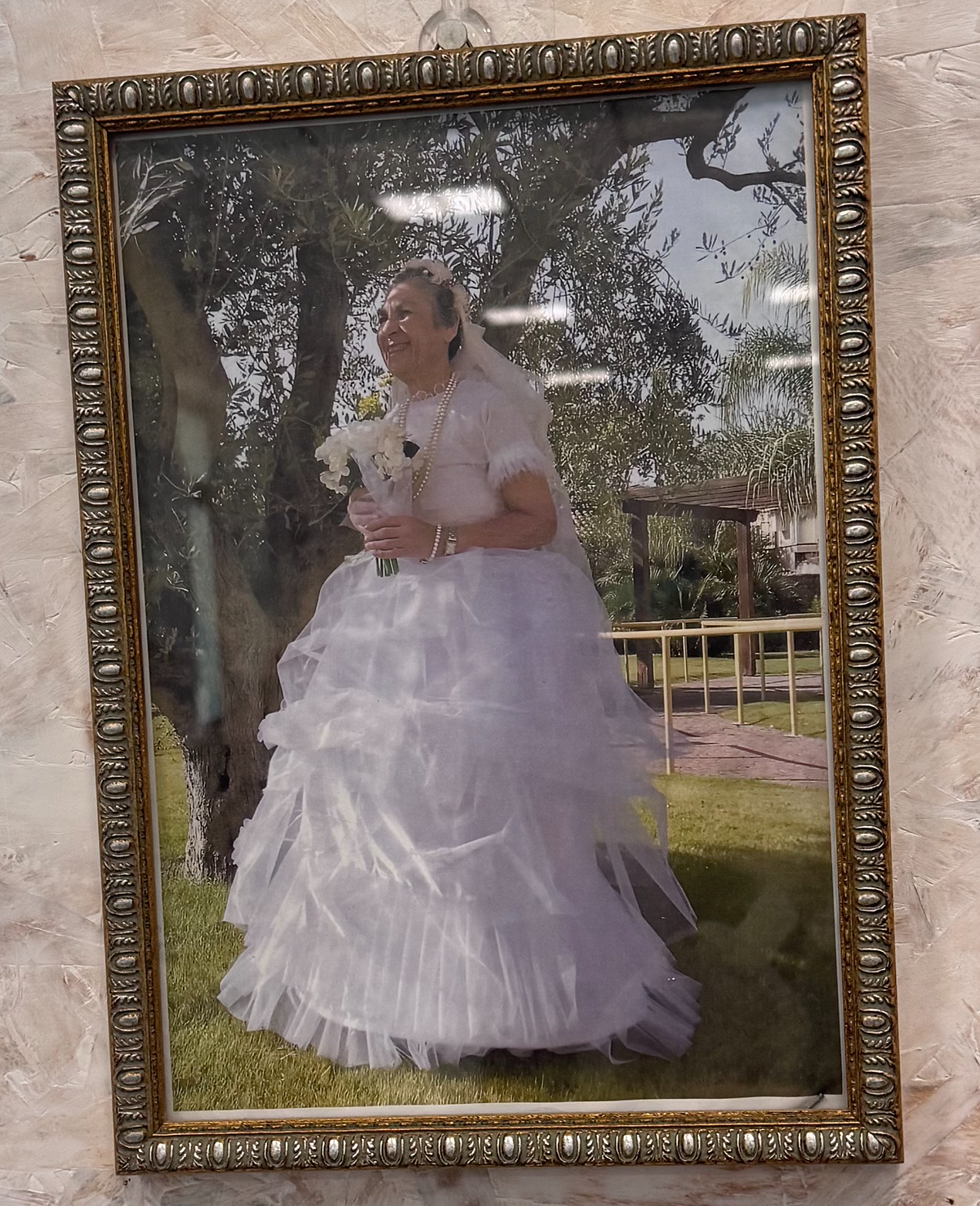
When one resident expressed a wish to wear her wedding dress again, fellow residents came together to recreate it. Each person participated according to their abilities, sewing, designing, creating, and contributing to the project. When it was complete, the resident was able to wear the recreated dress and commemorate the experience with a photograph.
“It was contribution on such a beautiful level,” Amber said. “Everyone had a role.”
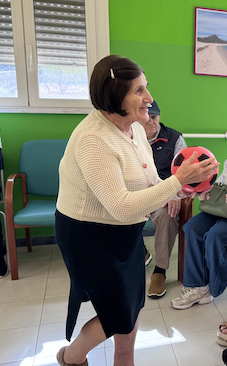
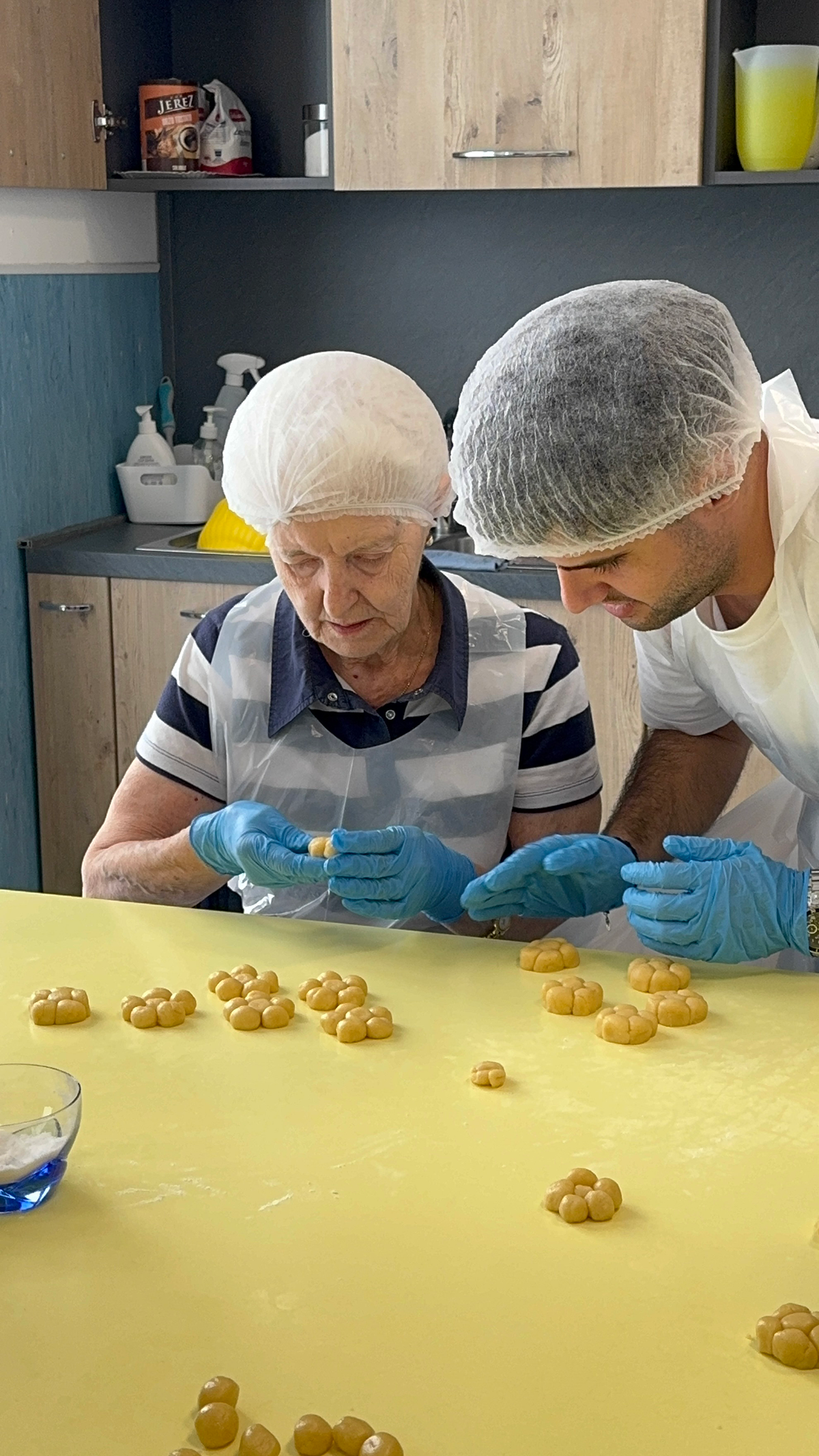
Challenging the Way We Think About Aging
One of the most striking observations from Sardinia was that residents didn’t seem to define themselves by age. They simply continued living, contributing, and engaging with their communities for as long as possible.
“If we’re going to challenge these assumptions,” Amber said, “we first have to believe that aging isn’t the thing that stops us and slows us down.”
While certain diseases become more common as people age, Amber believes society often treats aging itself as the problem rather than focusing on the lifestyle, health, and social factors that influence well-being.
“I really want us to remove age as a factor,” she said. “Let’s stop assuming that because someone is older, there are things they can’t do, don’t want to do, or shouldn’t do.”
Looking Ahead: Helping Residents Flourish
The lessons from Sardinia are already helping shape discussions about future wellness initiatives at Harmony.
One concept Amber recently introduced to a group of resident advisors is the Life Wheel, a reflective tool designed to help individuals think about what contributes most to their overall well-being.
Unlike a scorecard, the Life Wheel is not about achieving perfection or maximizing every category of life.
Instead, it asks a simple but powerful question:
How fully are you living right now?
Residents evaluate different dimensions of well-being and consider what matters most to them personally. Some may place greater value on mindset, while others prioritize relationships, creativity, spirituality, purpose, or time in nature.
“The goal isn’t to optimize every category,” Amber explained. “It’s to understand what you value and whether you’re spending your time in ways that support those values.”
For example, a resident may discover that spending more time outdoors isn’t important in itself, but that being outdoors improves their outlook, reduces stress, and strengthens an area of life they care deeply about.
The exercise also helps uncover interests, preferences, and unmet needs that can guide future programming.
“A resident might highly value something they aren’t doing anymore,” Amber said. “If we know that, we can help create opportunities for it.”
For Harmony’s engagement teams, these conversations provide valuable insight into how calendars, programs, and experiences can become even more resident-centered and meaningful.
What This Means for Harmony
For Amber, the greatest lesson from Sardinia wasn’t a specific diet, exercise routine, or longevity strategy.
It was a reminder of what makes life meaningful.
Across villages, family tables, dementia centers, community gatherings, and conversations with centenarians, she encountered the same recurring theme: people thrive when they remain connected, valued, and purposeful.
The experience affirmed Harmony’s commitment to resident engagement, person-centered dementia care, meaningful contribution, and wellness programs that focus not simply on living longer, but on living well.
It also sparked new conversations about how Harmony can continue evolving its approach to wellness by helping residents identify what matters most to them and creating opportunities for purpose, growth, belonging, and connection.
“The biggest takeaway for me wasn’t food or even longevity,” Amber reflected. “It was humanity. At the end of the day, we’re all trying to preserve what makes us human: our relationships, our purpose, our dignity, and our connection to one another.”
More Life in Our Years
Blue Zones remind us that healthy aging isn’t built around a single habit.
It’s built around a collection of everyday choices:
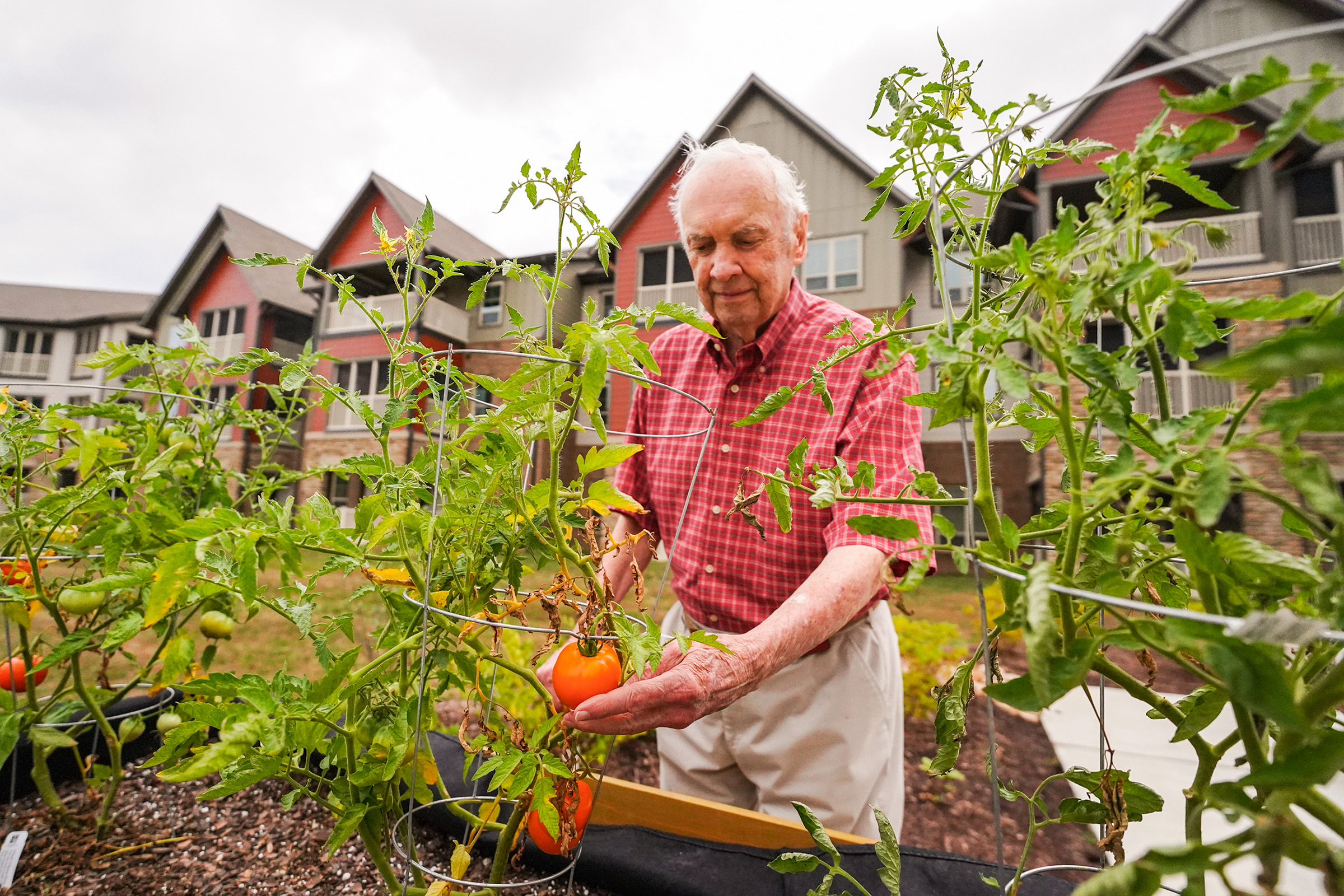
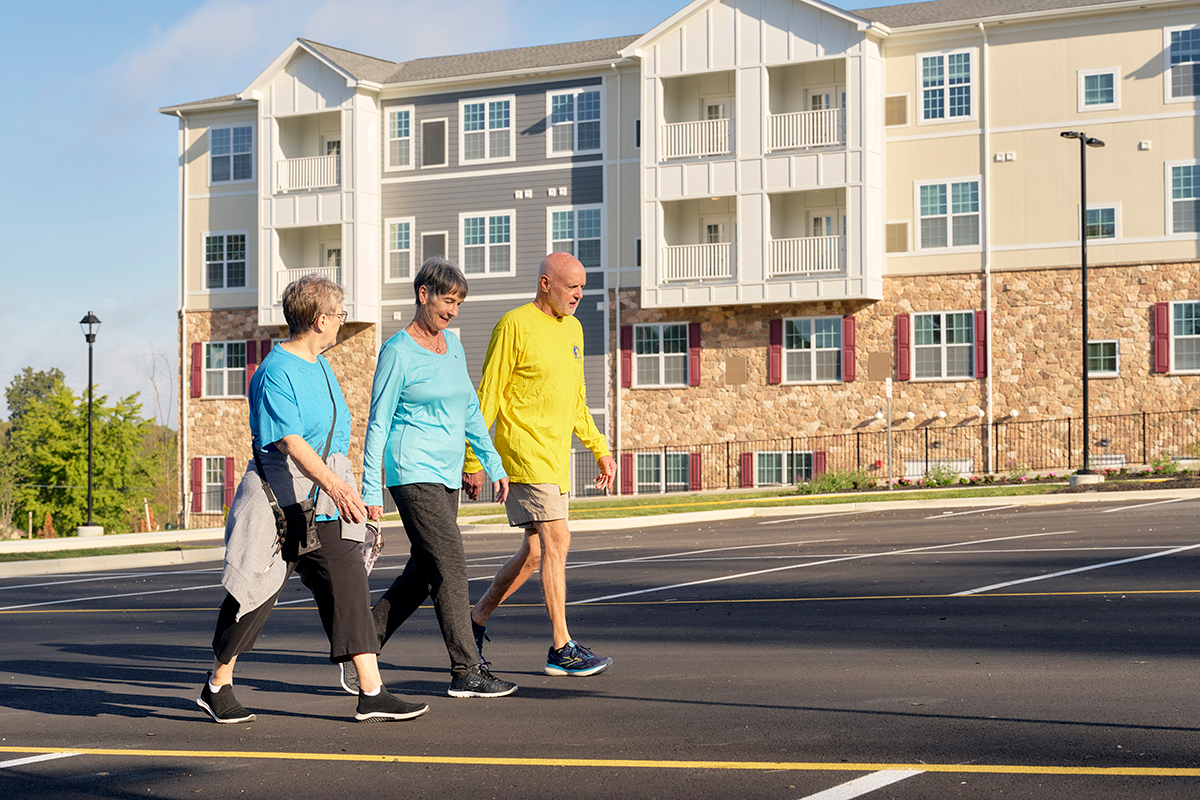
- Walking with purpose
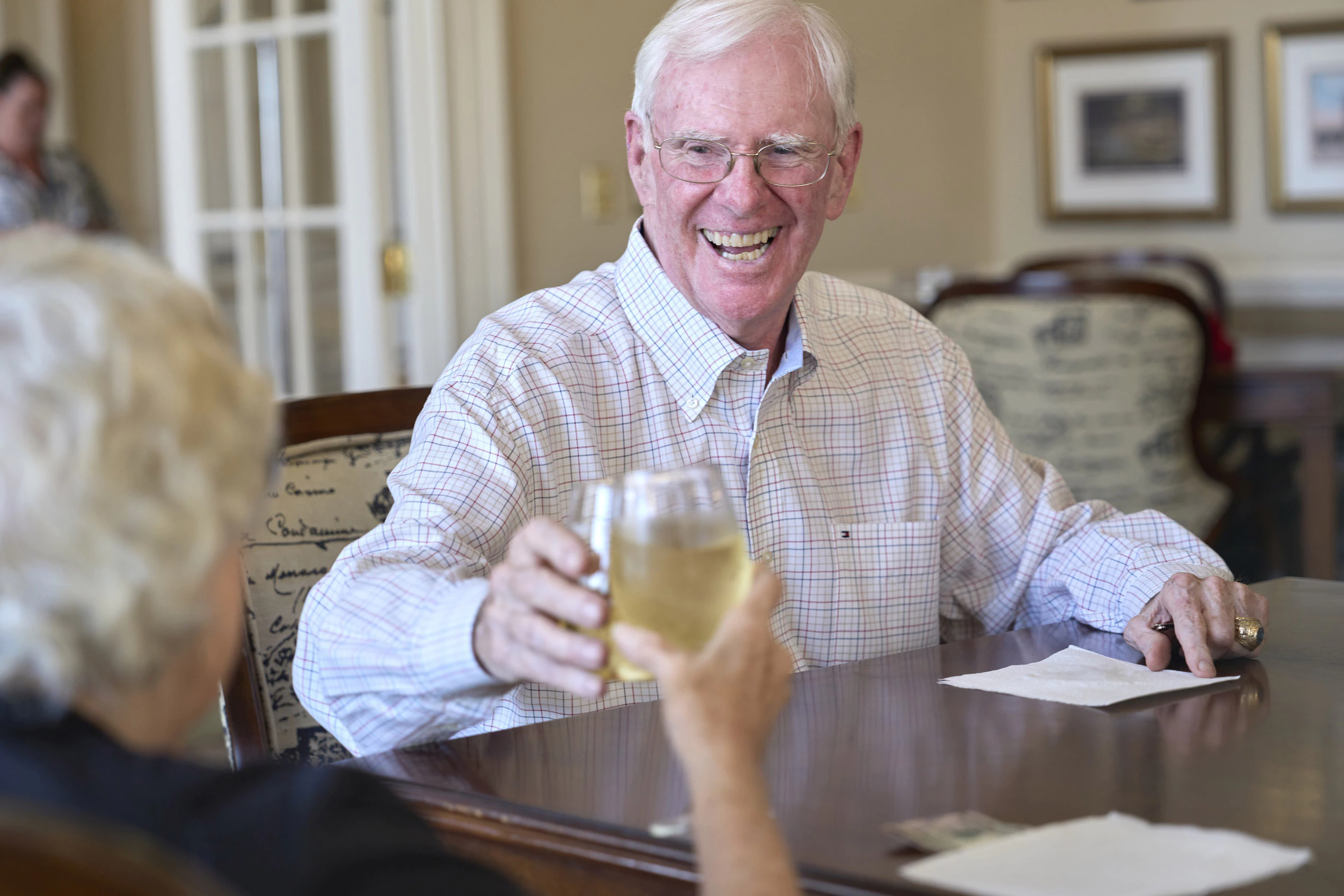
- Sharing meals
- Building relationships
- Staying curious
- Contributing to others
- Finding meaning
- Remaining connected to community
As Harmony continues refining its approach to resident well-being, Amber’s experience in Sardinia reinforced a belief that guides much of our work: healthy aging is about helping people flourish through purpose, belonging, independence, and meaningful engagement at every stage of life.