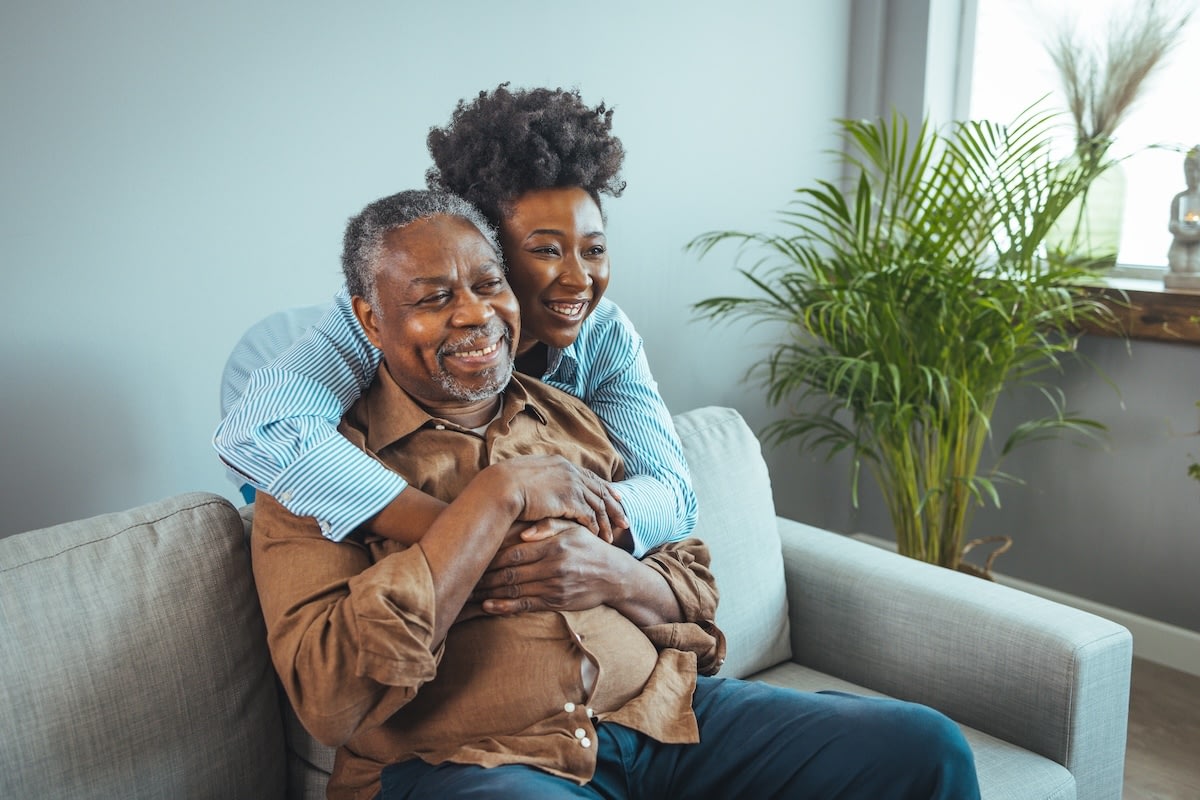

As life changes over time, so do the ways people connect with others. Retirement, shifting routines, or the loss of close friends and neighbors can gradually reshape daily interactions. What once felt like a full, connected life may begin to feel quieter.
These changes are often subtle. Days become more independent, but also more isolated. Conversations happen less frequently. Opportunities to engage may require more effort than before. While independence remains important, meaningful connection continues to play a vital role in emotional and physical well-being.
Understanding the importance of social connection for aging adults can help families recognize how everyday interactions support a healthier, more fulfilling life.
Connection Supports Emotional Well-Being
Human connection has a powerful influence on how people feel each day. Conversations, shared experiences, and simple moments of interaction can bring comfort, joy, and a sense of belonging.
Without regular connection, it is common for individuals to experience:
- Increased feelings of loneliness
- Changes in mood or motivation
- A reduced sense of purpose in daily routines
Staying socially engaged helps create a rhythm to each day. Even small interactions, such as a shared meal, a conversation in passing, or participating in an activity, can have a meaningful impact on emotional wellness.
Staying Engaged Encourages Cognitive Health
Social interaction also supports cognitive stimulation. Conversations require attention, memory, and responsiveness, all of which help keep the mind active.
Engagement can take many forms, such as:
- Group discussions or book clubs
- Games and problem-solving activities
- Learning new skills or hobbies
- Participating in community events
These experiences create opportunities to think, respond, and connect, helping support cognitive health in a natural and enjoyable way.
Relationships Create a Sense of Purpose
Feeling connected to others often brings a renewed sense of purpose. Whether it is sharing stories, offering support, or simply being part of a group, relationships help individuals feel valued and included.
Purpose does not need to come from large commitments. It can grow through everyday moments, including:
- Greeting familiar faces
- Contributing to group activities
- Building new friendships
- Staying involved in shared experiences
These interactions help reinforce a sense of identity and belonging, which is essential at every stage of life.
Isolation Can Happen Gradually
One of the challenges families face is that isolation often develops slowly. It may begin with fewer outings, reduced mobility, or changes in transportation. Over time, these small shifts can lead to less frequent interaction.
Because these changes happen gradually, they are easy to overlook. Families may not immediately recognize how much social engagement has decreased.
Recognizing the importance of social connection for aging adults can help bring awareness to these shifts before they begin to affect overall well-being.
Community Living Makes Connection Easier
In an independent retirement living community, connection becomes part of everyday life. Opportunities for interaction are naturally built into the environment, making it easier to engage without added effort.
Residents can experience connection through:
- Shared dining experiences
- Group activities and events
- Wellness programs and classes
- Casual conversations in common areas
Participation remains a personal choice, but the opportunity is always nearby. This accessibility often helps individuals re-engage at their own pace, creating a comfortable path back to connection.
Key Takeaways
- Social connection for aging adults plays a critical role in emotional, cognitive, and overall well-being.
- Regular interaction can help reduce loneliness and support a positive daily outlook.
- Social engagement encourages cognitive stimulation through conversation and shared activities.
- Relationships help create a sense of purpose and belonging at every stage of life.
- Isolation often develops gradually and may go unnoticed without regular connection.
- Independent retirement living communities make connection more accessible through shared spaces and daily opportunities.
- Maintaining social engagement supports a more fulfilling, balanced lifestyle.
Supporting a More Connected Future
Connection is not just about socializing. It is about feeling seen, valued, and part of something meaningful. As families consider the evolving needs of a parent or family member, social well-being becomes an important part of the conversation.
At Harmony Senior Services, community living is designed to support both independence and connection, creating an environment where relationships can grow naturally. For many families, exploring options becomes a way to ensure that daily life continues to include not just comfort and support, but also meaningful connection.