
When a family member begins experiencing memory loss, many families start looking for ways to provide the right support. Safety is often part of the conversation, but so is quality of life.
A person living with Alzheimer’s disease or another form of dementia is still the same individual they have always been. Memory loss may change some aspects of daily life, but it does not erase a person’s identity.
Understanding the benefits of memory care for seniors can help families see how specialized support helps residents stay engaged in familiar routines while receiving care that reflects their individual needs.
Familiar Routines Create Comfort
Living with memory loss can make the world feel unpredictable at times. Familiar routines help provide structure and reassurance throughout the day.
Simple activities such as sharing a meal, participating in a favorite pastime, or following a consistent daily schedule can help residents feel more comfortable in their surroundings. These routines reduce uncertainty and create a sense of familiarity that supports emotional well-being.
When individuals know what to expect, they are often able to approach each day with greater confidence.
Personal Stories Continue to Matter
A diagnosis does not erase a lifetime of experiences. Every resident brings a unique history that deserves to be recognized and celebrated.
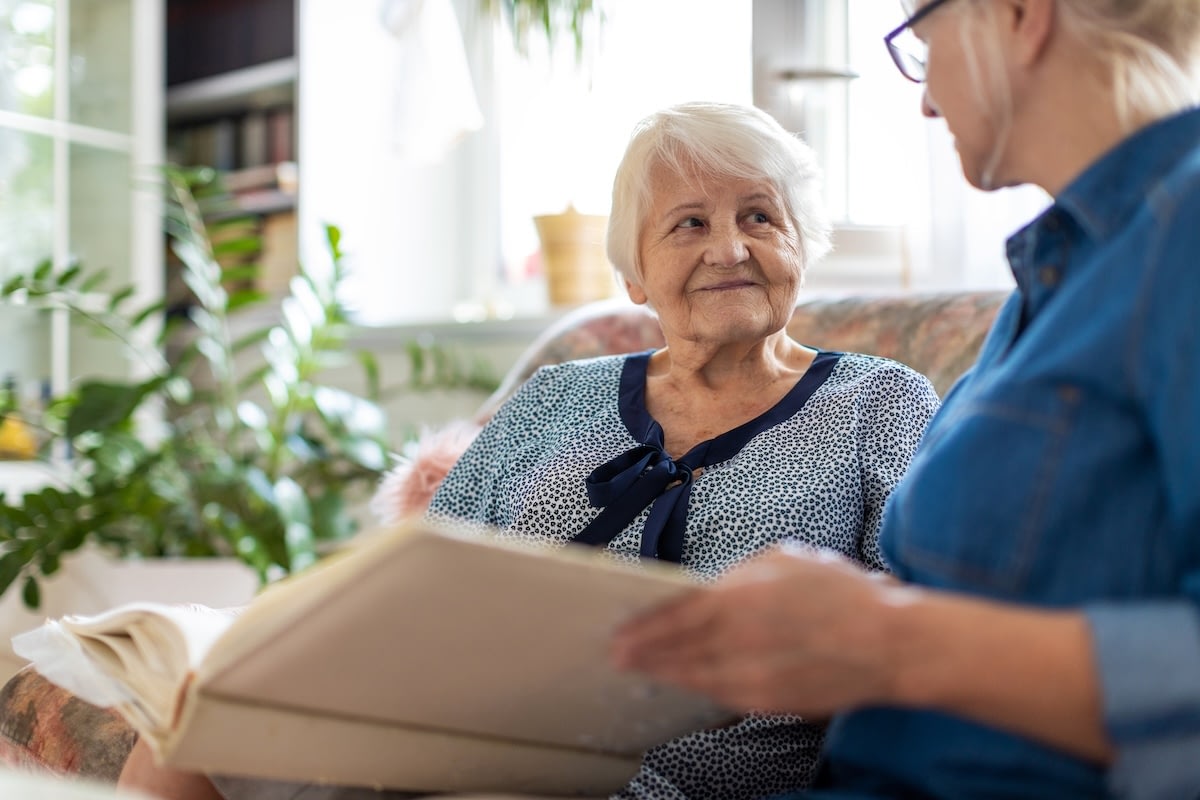
In memory care, learning about an individual’s background helps caregivers provide more personalized support. Favorite hobbies, career experiences, family traditions, and personal preferences can all help shape meaningful interactions and daily activities.
This person-centered approach allows residents to feel seen as individuals rather than defined by memory loss.
Meaningful Engagement Supports Well-Being
Purposeful engagement remains important at every stage of life. Activities in memory care are designed to encourage participation while meeting residents where they are.
This might include:
- Listening to familiar music
- Creative arts programs
- Gentle exercise and movement
- Conversations centered around personal interests
The goal is not simply to fill time. Meaningful engagement can help support confidence, encourage interaction, and create enjoyable moments throughout the day.
Relationships Remain Essential
Memory loss affects more than memory. It can also impact relationships, which is why connection remains such an important part of quality care.
Residents benefit from regular interaction with caregivers who take the time to understand them. Family involvement also plays an important role in helping residents maintain meaningful connections to the people who matter most.
Even small moments of connection can have a powerful impact on someone’s day.
Supporting Families Along the Journey
Memory care is not only about supporting residents. It also helps families navigate the challenges that often accompany dementia.
Many family caregivers spend months or years managing increasing responsibilities at home. Moving to a memory care community creates a partnership in which professional caregivers provide daily support, allowing families to focus on spending meaningful time together.
This shift often brings peace of mind and allows relationships to take center stage again.
Looking Beyond Care Needs
The benefits of memory care for seniors extend beyond the care services residents receive each day. Familiar routines can help create a sense of comfort. Consistent caregivers help residents build trust over time.
At Harmony Senior Services, our memory care services begin with understanding the individual. We take the time to learn what matters to each resident and incorporate those details into daily life. This approach helps create a more familiar environment while providing the support residents need.
Key Takeaways
- Memory care supports residents emotionally and socially, not just medically.
- Familiar routines can help create comfort and reduce uncertainty.
- Personal history and individual preferences remain important in daily care.
- Meaningful activities encourage engagement and support overall well-being.
- Relationships with caregivers and family members continue to play a vital role.
- Memory care communities support families by sharing caregiving responsibilities.
- Effective memory care focuses on the whole person rather than the diagnosis alone.
Learning about the benefits of memory care for seniors can help families feel more confident as care needs change. The right memory care community should provide support while also creating opportunities for connection, engagement, and comfort.
Our Harmony Square Memory Care services are designed to help residents feel secure, valued, and supported each day. We invite you to schedule a visit, meet our team, and learn how personalized memory care can make a meaningful difference for both residents and their families.